Colors › Types of color blindness
Protanopia and protanomaly
Protan color blindness comes from the cones most sensitive to long, red wavelengths. In protanomaly they are shifted toward green; in protanopia they are missing. Like deutan vision it mixes up reds, greens and browns. What sets it apart is that red light itself looks dimmer.
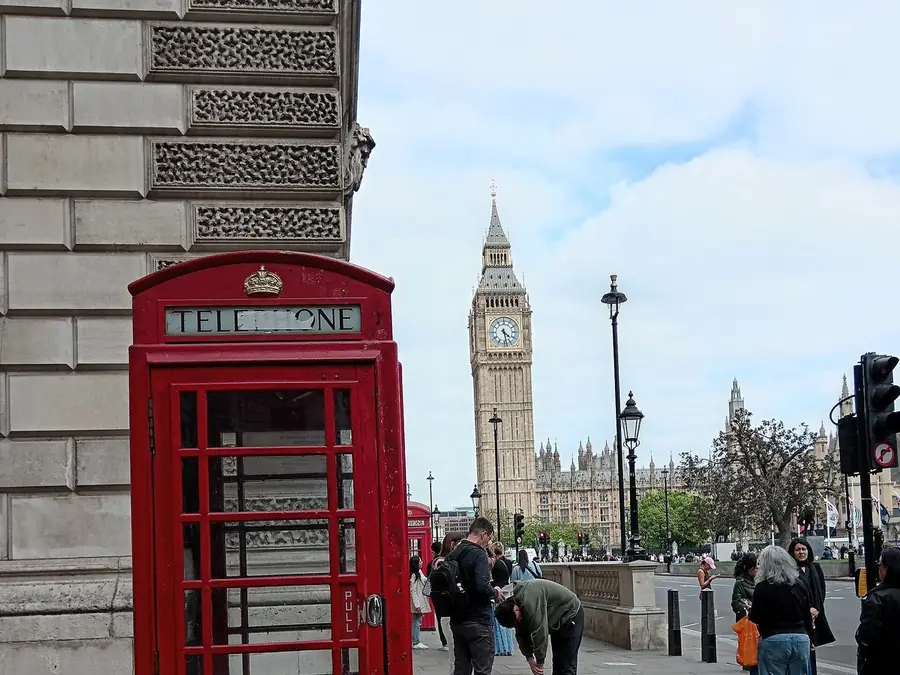 Typical
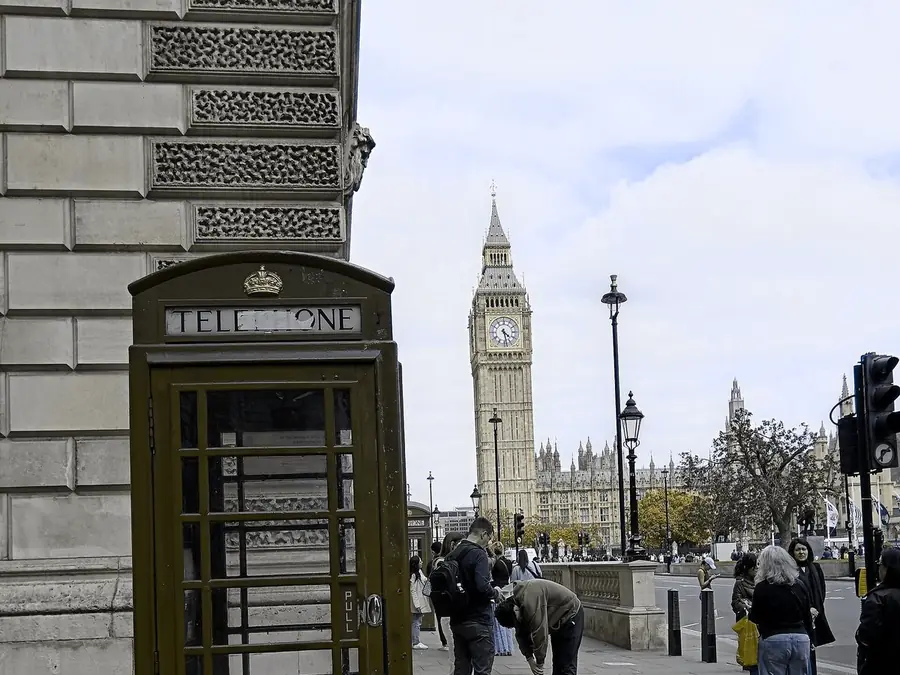 Protan
What changes
- Reds look darker, sometimes close to black: red text, a red light on a dark panel, a red car at dusk.
- Red, orange, yellow and green can look alike, along with browns and olives.
- Purple and pink lose their red: purple looks blue, pink can look gray.
- Blue and yellow stay clear.
Because reds are dimmer, a protan person may notice a red warning light or a brake light later than others do.
 Typical
 Protan
omaly or protanopia
Protanomaly is the milder form: the red cones are there, but tuned closer to the green ones, so the two give more similar signals. About 1 in 100 men have it.
Protanopia is the complete form, with no working red cones. Another 1 in 100 men have it. Both are rare in women.
Protan or deutan?
Protan and deutan vision are the two kinds of red-green color blindness, and they confuse many of the same colors. The difference is brightness: to a protan eye reds look darker, to a deutan eye they do not. The exact colors that match also differ slightly, which is how dot plates like the ones in an eye test can tell the two apart.
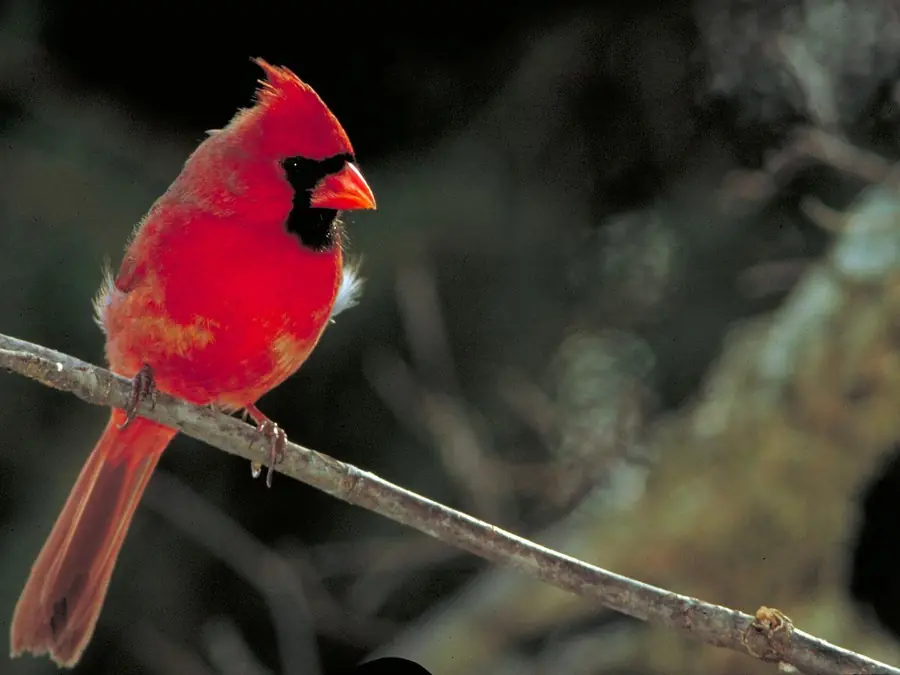 Typical
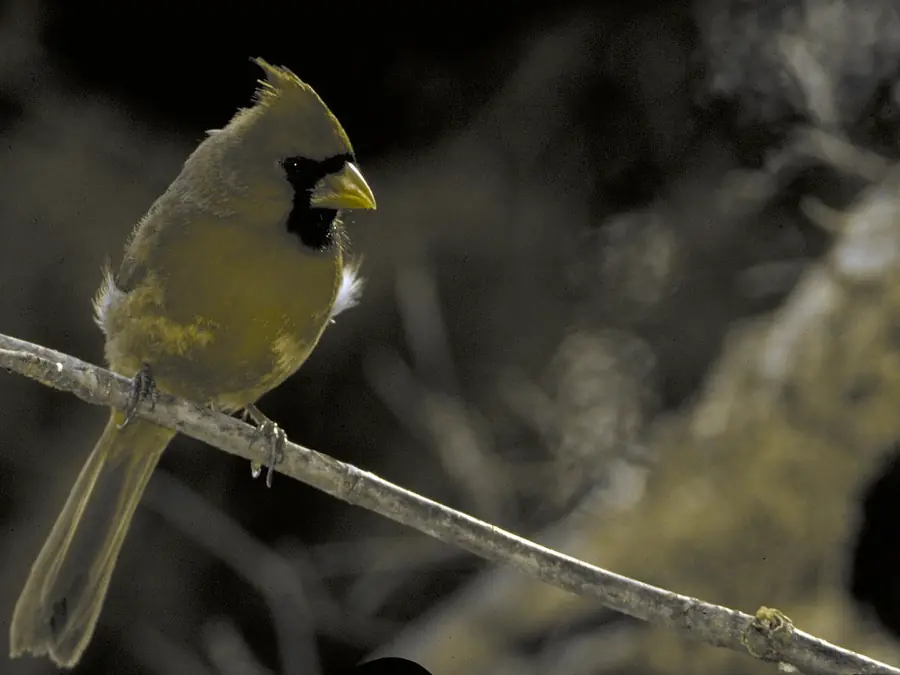 Protan
Everyday life
- Lights: traffic lights are read by position, and red LEDs on dark devices can be hard to see at all.
- Text: red text on black or dark gray is hard to read. Ask for another color, or change it in settings.
- Skin: a sunburn, a blush or a rash is hard to spot.
- Cooking and shopping: rare or done meat, ripe or unripe fruit, red or green apples.
Want to know which pattern your own answers resemble? The free test on this site takes a minute. It is a game, not a diagnosis.
Take the free color blind test
Questions
- Why do reds look dark with protanopia? Red light is mostly picked up by the red cones. Without them, or with them shifted, less of that light registers, so reds look dimmer than they do to other people.
- Is protanopia the same as deuteranopia? No. Both confuse reds and greens, but protanopia also makes reds darker, and the exact colors that match differ.
- How common is protanopia? About 1 in 100 men, and protanomaly about another 1 in 100. Both are rare in women.
- Can protanopia be corrected? There is no cure for inherited color blindness. Tinted glasses can make some colors stand out more for some people, but they do not restore red vision.