Colors › Types of color blindness
Tritanopia and tritanomaly
Tritan color blindness is the blue-yellow kind. It comes from the cones that respond to short, blue wavelengths. It is rare, and unlike red-green color blindness it is as common in women as in men.
 Typical
 Tritan
What changes
- Blue and green look alike. Turquoise, teal and sea green run together.
- Yellow and pink or light purple can look alike, and yellows can look pale or pinkish.
- Purple and red move closer.
- Red and green stay clearly different, which is why a tritan person usually passes the red-green plates in an eye test.
Many tritan people describe a world of pinks, reds and teals rather than the blues and yellows of red-green color blindness.
 Typical
 Tritan
omaly or tritanopia
In tritanomaly the blue cones are there but weaker, so blues and greens, and yellows and pinks, are harder to tell apart. In tritanopia they are missing, and those colors match.
Inherited tritan color blindness affects roughly 1 in 10,000 people, though estimates vary a lot. The gene is on chromosome 7, not the X chromosome, so women have it as often as men, and one altered copy from either parent can be enough.
When blue-yellow vision changes later
Color vision that changes during life more often affects blue and yellow than red and green. The lens of the eye slowly yellows with age, and some eye and general health conditions affect the blue cones first. A change in your color vision is worth mentioning to an optometrist or ophthalmologist.
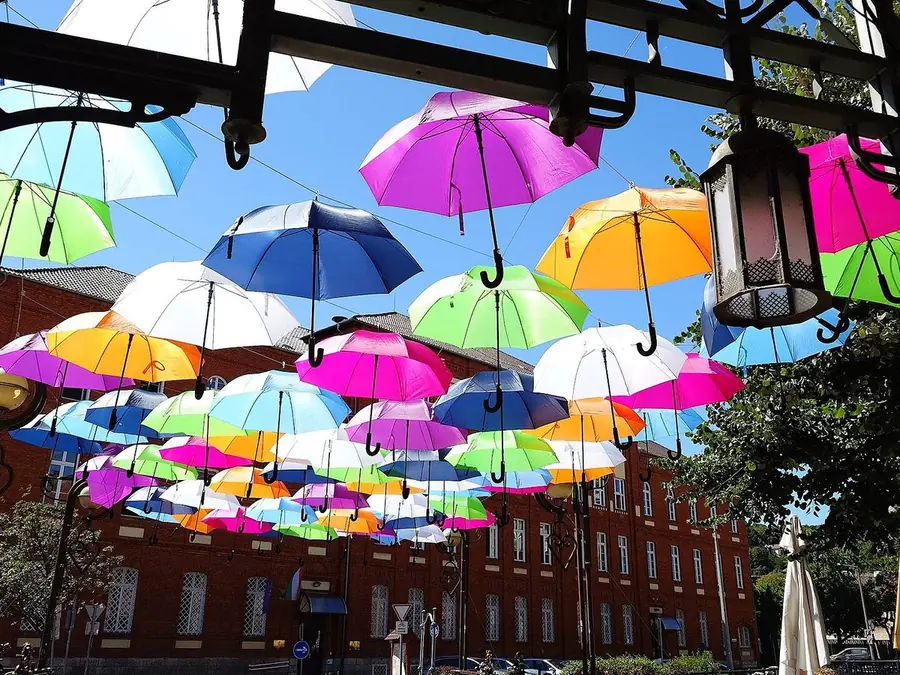 Typical
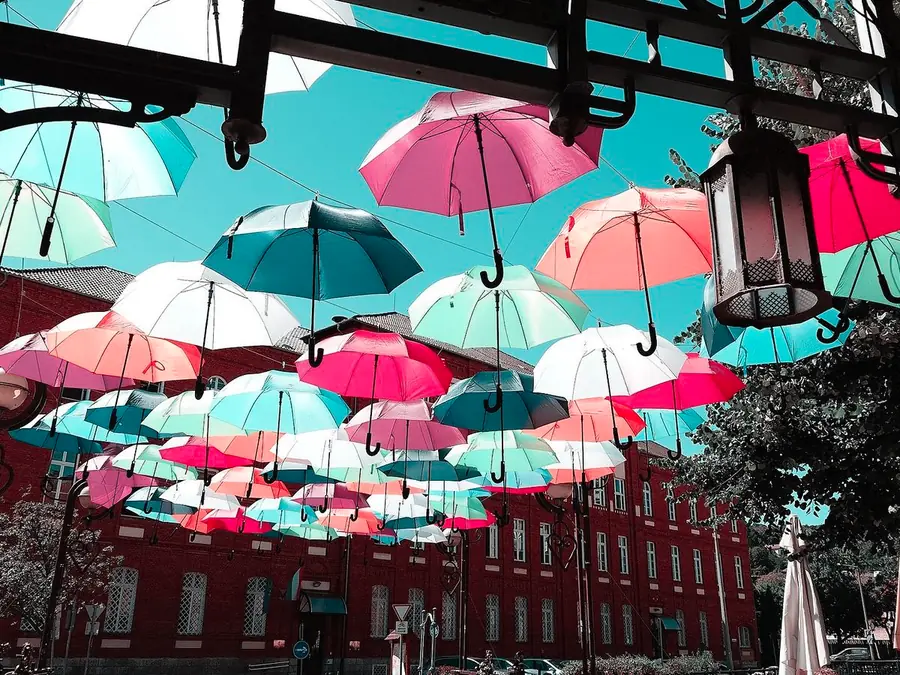 Tritan
Everyday life
- Status lights: blue and green LEDs, as on chargers and routers, can look the same.
- Maps: water and parkland, or blue and green lines on a transit map.
- Food: a yellow banana and a pink grapefruit, or mold on bread.
- Clothes: navy, black and dark green; yellow, cream and pink.
The free test on this site includes plates for tritan vision. It is a game, not a diagnosis.
Take the free color blind test
Questions
- Is tritanopia rare? Yes. Inherited tritan color blindness affects roughly 1 in 10,000 people, though estimates vary.
- Can women have tritanopia? Yes, as often as men, because the gene is not on the X chromosome.
- What colors can people with tritanopia see? Reds and greens well, and many pinks, reds and teals. Blue and green, and yellow and pink, are the pairs that run together.
- Is blue-yellow color blindness the same as tritanopia? Tritanopia is its complete form. Tritanomaly is the milder one, and blue-yellow loss can also develop later in life.