The types of color blindness
Color blindness, also called color vision deficiency or daltonism, is almost never seeing in black and white. Nearly everyone with it sees plenty of color. They just tell some colors apart less well than other people do, and which colors depends on which of the eye's three kinds of cone is affected.
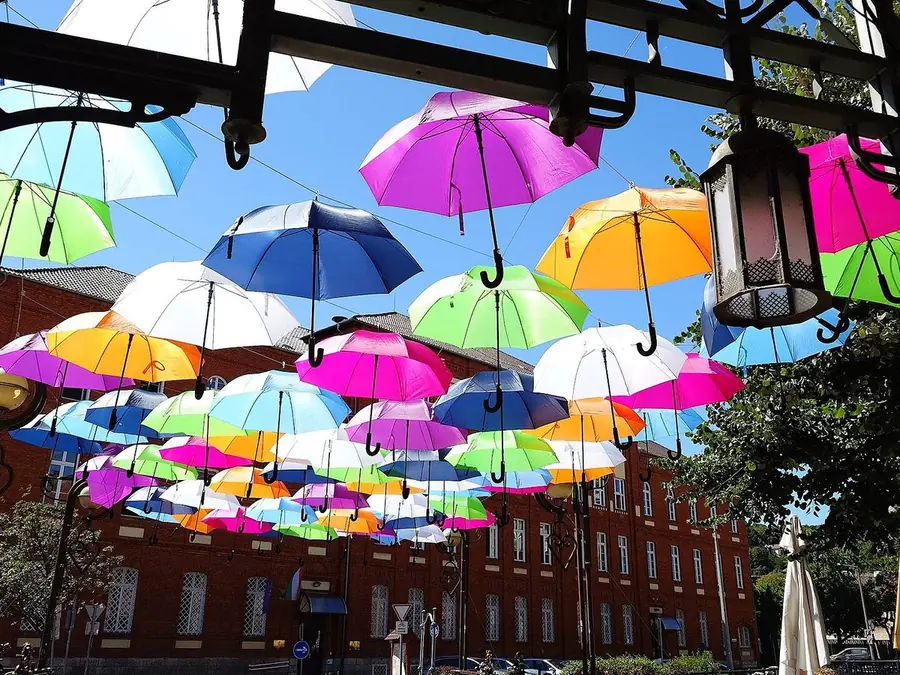 Typical
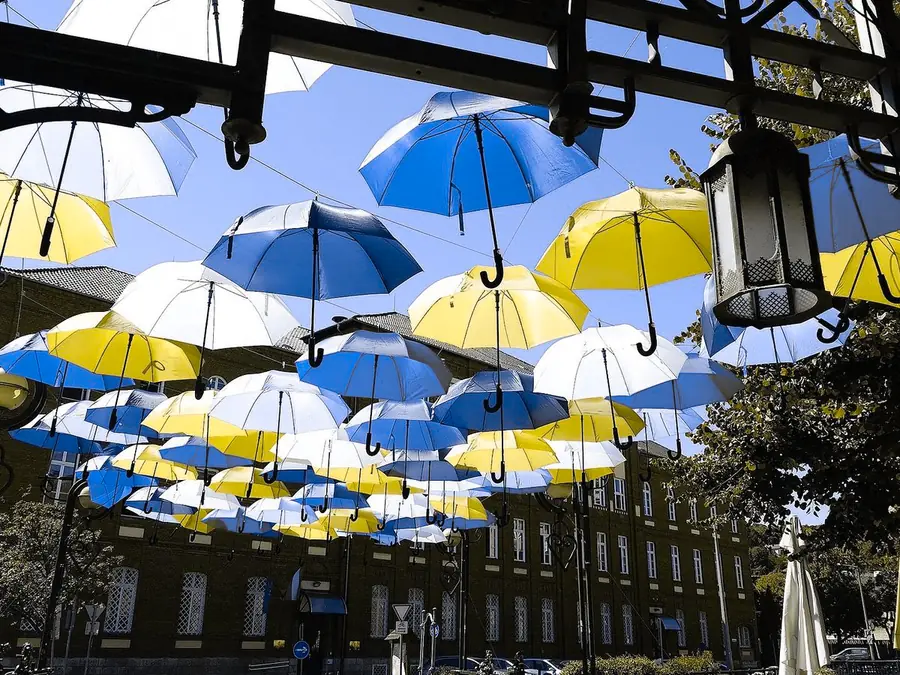 Protan
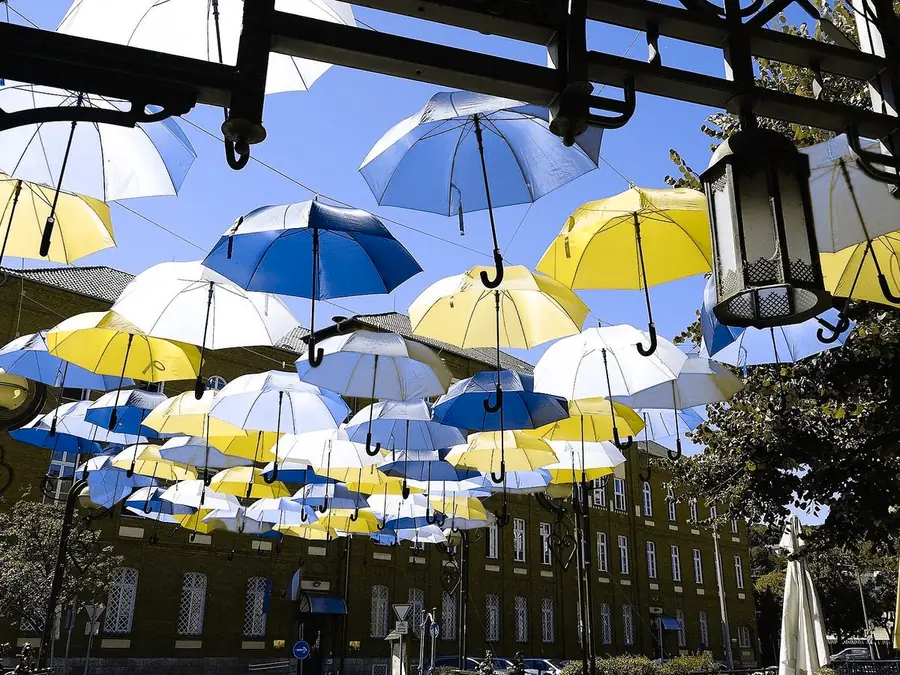 Deutan
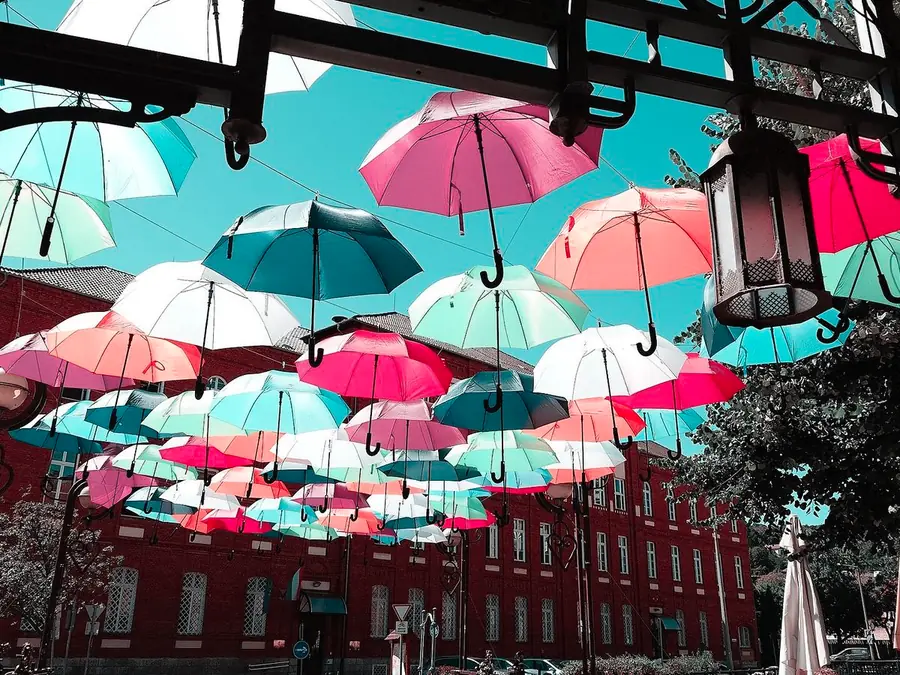 Tritan
 Mono
Three cones, four kinds
The retina has three kinds of cone cells, tuned to long ("red"), medium ("green") and short ("blue") wavelengths of light. You see color by comparing their signals. When one kind of cone is missing or works differently, the colors that only that cone could tell apart start to look alike.
- Deutan: the green-sensitive cones. The most common kind by far. Reds, oranges, yellows, greens and browns move toward each other.
- Protan: the red-sensitive cones. Much the same confusions as deutan, but reds also look darker.
- Tritan: the blue-sensitive cones. Rare. Blue and green, and yellow and pink, are the hard pairs.
- Monochromacy: no working cones, or only one kind. Very rare. The world is seen in light and shade.
Protan and deutan together are what people mean by red-green color blindness.
"-anomaly" or "-anopia"
Each kind comes in degrees. With an -anomaly (deuteranomaly, protanomaly, tritanomaly) the cone is there but responds to slightly the wrong colors, so some colors are harder to tell apart without being identical. Most colorblind people have this milder form, and many do not find out until a school or job screening. With an -anopia (deuteranopia, protanopia, tritanopia) that kind of cone is missing, and the colors it used to separate look the same.
How common is each kind?
- Deuteranomaly: about 5 in 100 men.
- Deuteranopia: about 1 in 100 men.
- Protanomaly: about 1 in 100 men.
- Protanopia: about 1 in 100 men.
- Tritan: about 1 in 10,000 people, women as often as men.
- Achromatopsia: about 1 in 30,000 people.
Together, red-green color blindness affects about 1 in 12 men and 1 in 200 women of Northern European descent. It is less common in many other populations.
Why it is mostly men
The genes for the red and green cone pigments sit on the X chromosome. Men have one X, so one altered copy is enough. Women have two, and a working copy on one usually makes up for the other. A woman can carry red-green color blindness without having it, and pass it on to her sons. The tritan gene is on a different chromosome, which is why tritan color blindness is as common in women as in men.
Can it change over time?
Inherited color blindness stays the same for life. Color vision can also change later on, with age or because of an eye condition, a medicine or an injury, and that kind more often affects blue and yellow. If your color vision changes, tell an optometrist or ophthalmologist.
Which kind do you have?
The free test on this site shows which pattern your answers most resemble. It is a game on an uncalibrated screen, not a diagnosis. An optometrist or ophthalmologist can check your color vision properly.
Take the free color blind test
Questions
- Is color blindness the same as seeing in black and white? Almost never. Seeing only in shades of gray is achromatopsia, which affects about 1 in 30,000 people. Nearly everyone with color blindness sees many colors but confuses some of them.
- What is the most common type of color blindness? Deutan, the green-weak kind. Deuteranomaly alone affects about 5 in 100 men.
- What is daltonism? Another word for color blindness, after the English chemist John Dalton, who described his own color vision in 1794. A DNA test on his preserved eye, two centuries later, showed he was a deuteranope.
- Is there a cure? Not for inherited color blindness. Some tinted glasses make certain colors stand out more for some people, but they do not restore the missing cone signal.